







A different kind of chiropractor!

Yes, I can treat you for...

Gluten could be causing your heartburn

Posted by on Jan 24, 2012

Call it acid reflux, heartburn, or GERD, but having stomach acid splash back up into your esophagus is painful and distressing. Although researchers cite various causes, one that...

Read More

Thyroid Problems

Why do I have brain fog all the time?

Posted by on Sep 6, 2011

Question I seem to live in a perpetual fog, like I can’t think clearly or I’m not all the way there. Why do I have brain fog? Answer Brain fog is a sign of brain inflammation....

Read More

Auto-Immune Disorders

Gluten could be causing your heartburn

Posted by on Jan 24, 2012

Call it acid reflux, heartburn, or GERD, but having stomach acid splash back up into your esophagus is painful and distressing. Although researchers cite various causes, one that...

Read More

Chiropractic

What Does Functional Medicine Mean?

Posted by on Jun 4, 2011

What Does Functional Medicine Mean? Question: I keep hearing the term functional medicine. How is it different from regular medicine? Answer: Functional medicine’s focus is on...

Read More

Recent Posts

Gluten could be causing your heartburn

Gluten could be causing your heartburn

Jan 24, 2012

Heartburn-acid-reflux-gerd-gluten-autoimmune

Call it acid reflux, heartburn, or GERD, but having stomach acid splash back up into your esophagus is painful and distressing. Although researchers cite various causes, one that many doctors overlook is gluten, the protein found in wheat, spelt, rye, barley, and other wheat-like grains.

Studies link gluten with acid reflux

Research shows acid reflux symptoms more commonly affect those with celiac disease, an autoimmune disease triggered by gluten. One study found 30 percent of celiac disease patients had GERD compared to less than 5 percent of those not diagnosed with the disease. Another study found almost 40 percent of children with celiac disease suffer from esophagitis, inflammation of the esophagus and heartburn.

Gluten-free diet found to relieve heartburn

Fortunately, researchers also found a gluten-free diet relieved symptoms of GERD rapidly and persistently. Some people have found they also need to give up grains, processed foods, or other foods to which they are intolerant (such as dairy) to completely relieve acid reflux.

GERD could be autoimmune

Some research shows that stomach acid is not acidic enough to immediately damage the esophagus. Instead, it triggers an inflammatory reaction within the tissue of the esophagus, causing damage.

What does gluten have to do with this? Gluten has been shown to be very pro-inflammatory in many people, and has been linked with 55 autoimmune diseases. It’s possible acid reflux could be yet another inflammatory disorder triggered by gluten.

Antacids increase health risks

Most people relieve acid reflux by taking an antacid to neutralize stomach acid, with sales of the drug topping $10 billion annually. Not only does this fail to stop stomach acid from washing back up into the esophagus (one study showed protein-pump inhibitors actually induce acid reflux), it also impairs nutrient absorption.

Antacids may increase food poisoning risk

Stomach acid is vital to the absorption of minerals and vitamins, and protects the stomach from bacteria, fungus, and infection. Chronic use of antacids has been linked to increased risk for bacterial infections, candida (yeast) overgrowth, and food poisoning.

Antacids may increase osteoporosis risk

Chronic antacid use also impairs absorption of minerals, including calcium, which can increase the risk of osteoporosis and fractures.

Proper testing for gluten intolerance vital

With one in five people now believed to be suffering from gluten sensitivity, it’s important to know whether you are too, and whether undiagnosed gluten intolerance is contributing to heartburn.

The conventional tests to screen gluten intolerance are notoriously inaccurate. For cutting-edge testing, please contact my office.

Overtraining: Too much of a good thing

Overtraining: Too much of a good thing

Jan 18, 2012

Mary was a mother of two who began a vigorous exercise program of weight lifting and running, one to two hours a day, six days a week. Not only did she fail to lose weight, she actually gained weight, and found herself battling fatigue, irritability, and constant colds and flus. As it turns out, Mary was exercising too much.

Overtraining weakens the body

While regular exercise is vital to good health, studies show overtraining can actually deplete hormones, depress immunity, lead to bone loss, increase the risk of injuries, slow healing, increase inflammation, and cause a general feeling of burn-out.

Sufficient recovery between exercise sessions and exercising at an appropriate intensity will get you fitter faster without compromising health.

Overtraining and high cortisol

Overtraining causes your body to pump out extra cortisol, a hormone secreted by the adrenal glands that helps us cope with stress. High cortisol can cause bone loss, and muscle breakdown, create belly fat, increase sugar cravings, and lead to insulin resistance, a pre-diabetic condition that causes high blood sugar.

Overtraining and low cortisol

Some people who overtrain suffer from low cortisol, which can lead to weight gain, fatigue, low blood sugar (with dizziness, light-headedness, and irritability), muscle weakness, difficulty recovering from workouts, and poor immune strength.

American life is already stressful

Clearly, neither high nor low cortisol produces the desired effects of an exercise regime, and both cause a chronic inflammatory state that ages you quickly. Throw in other factors of modern American life—stressful lifestyles, too little sleep, poor diets, too many sweets and caffeine—and overtraining can be the tipping point into cortisol-driven disorders.

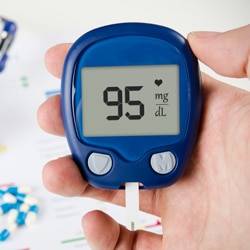
Statins increase risk of diabetes 50%

Statins increase risk of diabetes 50%

Jan 13, 2012

A new study found older women who take cholesterol-lowering statin drugs increase their risk of developing Type 2 diabetes by almost 50 percent.

Researchers say it isn’t clear why the drug raises the risk of diabetes, and that the findings could be applied to men.

Many people don’t realize that inflammation, not a statin deficiency, underlies high cholesterol, and that the condition usually can be managed naturally.

The study looked at data of more than 150,000 women ages 50-79 for over 12 years. Interestingly, the risk was greater for Asian women and women of a healthy body mass index.

Statins most commonly prescribed drugs

Darlings of the health care industry, statins are the most commonly prescribed drug, accounting for $20 billion of spending a year. About one in four Americans over 45 take statins, despite such common side effects as muscle weakness and wasting, headaches, difficulty sleeping, stomach upset, and dizziness.

Beware low cholesterol

As a result, lab ranges for healthy cholesterol are skewed too low. Not only do statin users grapple with side effects and raise their risk of diabetes, but they also risk symptoms of low cholesterol. Cholesterol is necessary for brain and nerve health and to manufacture hormones, including the sex hormones estrogen, progesterone, and testosterone.

Low cholesterol can imbalance hormones and increase the risk for anxiety, depression, and other mood disorders.

In functional medicine, we don’t like to see cholesterol go below 150 mg/dL.